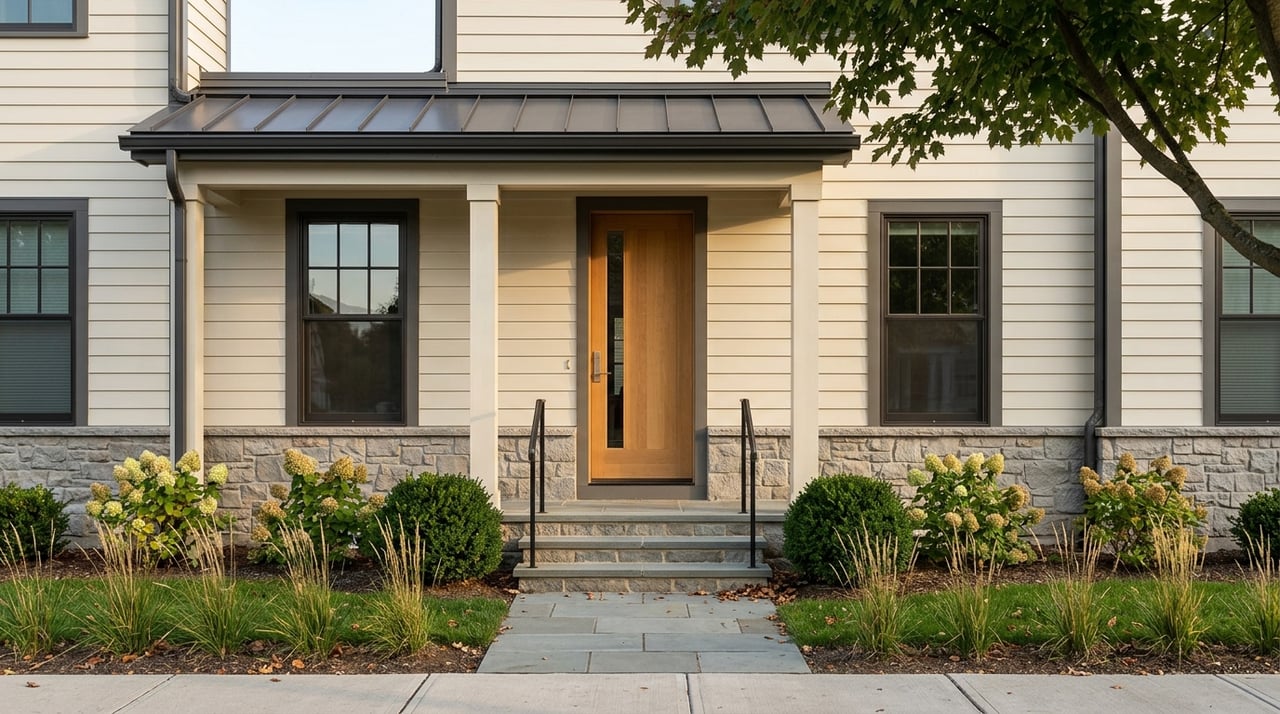
Condos, Townhomes, And Cottages In Piermont
July 23, 2026
July 23, 2026
Looking at homes in Piermont and wondering which property type actually fits the way you want to live? In a village this compact and visually distinct, that choice can shape your daily routine as much as your budget. If you are deciding between a condo, townhome, or cottage, understanding how each one functions in Piermont can help you move forward with more clarity. Let’s dive in.
Piermont is a small Hudson River village with about 0.7 square miles and 1,297 housing units. About 61% of its housing structures are multi-unit, which helps explain why condos and townhomes are a meaningful part of the local mix.
At the same time, Piermont is not a one-note housing market. Village zoning allows a blend of detached, attached, semiattached, and multifamily housing in key areas, especially near the riverfront, while much of the older residential fabric remains more detached in character. That is why your choice is not just about size or price. It is also about setting, upkeep, parking, and how you want to experience village life.
Piermont’s lifestyle is part of the decision too. The village highlights places like Piermont Pier, the Erie Path, parks, the community garden, and the Main Street and pier area. If you picture yourself walking to the riverfront, spending time outdoors, or enjoying a simpler village base, location inside the village can matter just as much as the home itself.
In Piermont, condos are often the most straightforward low-maintenance option. Current examples suggest many fall in the 1 to 2 bedroom range and offer roughly 800 to 1,200 square feet, making them a practical fit if you want a comfortable footprint without taking on exterior upkeep.
This kind of home often appeals to buyers who want convenience first. That may include downsizers, second-home buyers, or anyone who would rather spend weekends by the water or on the path instead of doing yard work.
With a condo, the key number is not just the purchase price. Your monthly carrying cost can also include HOA dues, and those fees may have a real impact on affordability.
That means you will want to ask what the monthly fee covers, whether the association has healthy reserves, and whether special assessments are pending or likely. The New York Attorney General also advises buyers to review the full offering plan, building condition, common areas, parking, drainage, and board minutes.
In Piermont, condos often cluster closer to the riverfront and mixed-use edges of the village. That can be a real advantage if you want easier access to the pier, village core, and scenic walking routes.
It can also bring another layer to your planning. The village’s flood preparedness materials note that nearby properties may be in a flood zone, and homes in the FEMA 100-year floodplain may be required to carry flood insurance. If you are considering a condo near the Hudson or Sparkill Creek, it is wise to factor that into your monthly budget early.
Townhomes tend to sit in the middle ground between condos and detached homes. In Piermont, current examples show a pattern of larger layouts, multiple bathrooms, and garages, which can make them feel more house-like while still offering some shared maintenance.
If you want more square footage, better storage, or room to spread out without taking on a fully detached property, a townhome may be the strongest fit. For many buyers, that blend of space and reduced exterior responsibility is the main draw.
Piermont’s riverfront zoning helps explain why attached housing is part of the local landscape. The RD riverfront district allows attached and semiattached dwelling units and emphasizes modest scale, preserved Hudson views, public access to the river, and avoiding large parking fields.
In practical terms, that means townhomes can offer a strong connection to the scenic river setting. It also means you may not get as much private land as you would expect from a more suburban townhouse community.
Parking stands out in Piermont more than many buyers expect. The village treats parking as a limited planning resource in the core and requires off-street parking in permitted districts, with some special rules in certain commercial and mixed-use areas.
Because of that, an attached garage or assigned spaces can carry real value. If you are comparing townhomes, parking should be part of the conversation right alongside layout, storage, and monthly fees.
Just like condos, townhomes can come with shared responsibilities that deserve a close read. The New York Attorney General specifically notes that townhouse-type developments may require buyers to review roadways, sidewalks, drainage systems, retaining walls, and other common-area responsibilities in the offering plan.
That matters because the appeal of shared maintenance only works when you understand exactly what is shared, what is covered, and what costs could change over time.
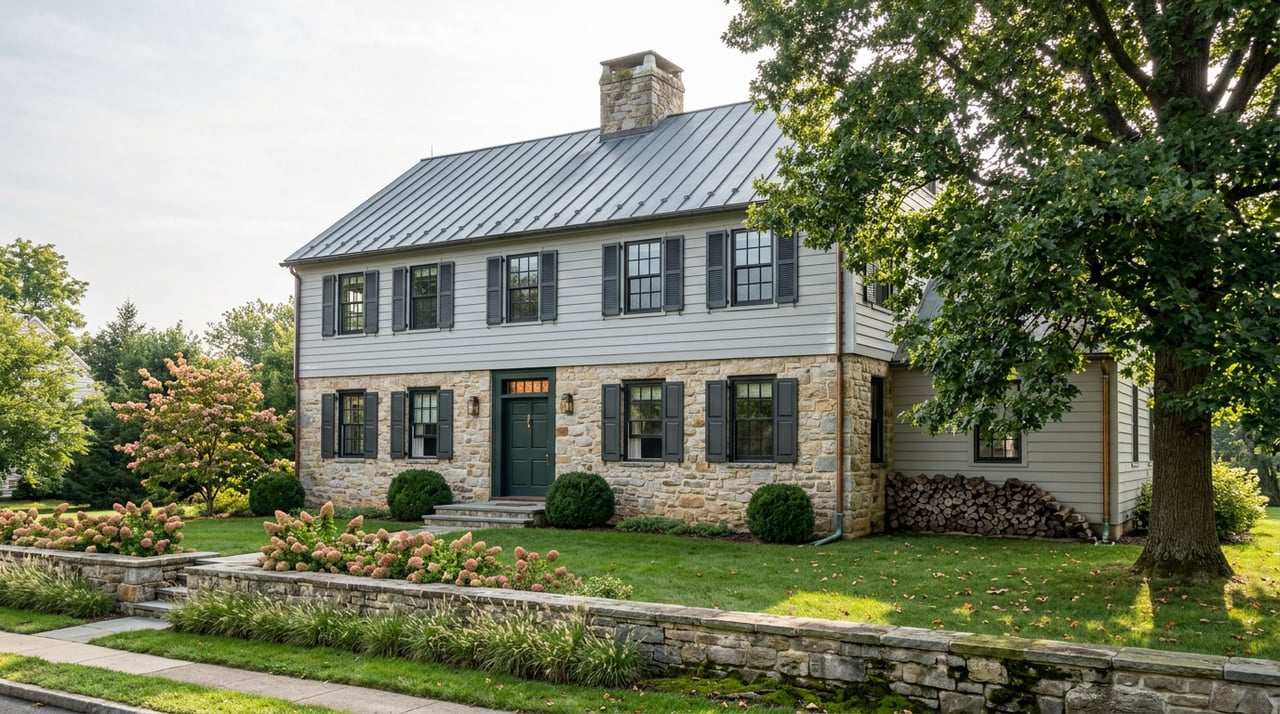
In Piermont, cottage is best understood as a style label, not a separate zoning class. In real terms, these homes are usually smaller, older, detached properties that offer charm, individuality, and a stronger sense of village character.
If you love the idea of a detached home with original details and a more personal footprint, a cottage may feel especially appealing. But unlike condos and many townhomes, cottages usually come with fewer standardized layouts and fewer shared systems.
The tradeoff with a cottage is usually more owner responsibility. You may gain privacy, character, and a detached setting, but you are also more likely to manage roof, siding, windows, and landscaping on your own.
That is why condition matters. The New York Attorney General’s guidance for existing buildings reinforces the value of checking for leaks, foundation issues, and deferred maintenance rather than assuming a smaller home will automatically be simpler to own.
With cottages, details like lot size, parking, and flood exposure can shape the ownership experience. Some properties may have limited outdoor space or less uniform parking arrangements than a condo or townhome community.
Location is especially important in Piermont. The village warns that homes near the Hudson River or Sparkill Creek may be in a flood zone, and properties in the FEMA 100-year floodplain may require flood insurance. For a river-adjacent cottage, that is not a side detail. It should be part of the budget conversation from the start.
If you are weighing these options, it often helps to think in terms of lifestyle first and square footage second. Here is a simple way to frame the tradeoffs in Piermont.
| Home Type | Best Fit For | Main Advantage | Main Tradeoff |
|---|---|---|---|
| Condo | Buyers seeking low upkeep and a simple village base | Least exterior maintenance | Monthly dues and shared building decisions |
| Townhome | Buyers wanting more space and a house-like feel | More room, often with garage or storage | Higher carrying costs and shared community obligations |
| Cottage | Buyers drawn to detached village character | Privacy and charm | More hands-on maintenance and less uniform support |
In Piermont, the smartest comparison is not just list price. It is total carrying cost, including purchase price, taxes, insurance, HOA or common charges where applicable, and any flood-related premiums.
That is especially true for homes near the water. The village’s resiliency and flood preparedness materials make clear that flood exposure, property readiness, and insurance may all affect long-term ownership costs.
A condo with lower upkeep may still feel expensive if monthly fees are high. A cottage with a lower purchase price may require more maintenance over time. A townhome may offer the layout you want, but the monthly budget needs to support the full picture.
If your top priority is a low-maintenance home close to the village core, a condo is often the clearest match. If you want more square footage, a garage, and a more house-like layout while still sharing some exterior maintenance, a townhome may give you the best balance.
If what you really want is detached living and the strongest sense of Piermont’s older village character, a cottage may be worth the extra upkeep. None of these options is universally better. The right choice depends on how you want to live, how much maintenance you want to manage, and what you want your monthly ownership costs to feel like.
In a village as layered as Piermont, those details matter. A calm, informed comparison can help you choose a home that fits both your lifestyle and your comfort level for the years ahead.
If you are considering a move in Piermont and want thoughtful guidance on how different home types line up with your goals, Catherine Hotaling can help you evaluate the options with clarity and confidence.
Stay up to date on the latest real estate trends.
A thoughtful, client-focused approach and strong understanding of market positioning shape every real estate experience. Drawing on a background in sales, marketing, and design-driven industries, Catherine helps buyers and sellers navigate important decisions with confidence, clarity, and personalized guidance.

CATHERINE HOTALING
ADDRESS 76 N Broadway Nyack, NY 10960