Piermont NY Waterfront Living: What to Expect
July 16, 2026
July 16, 2026
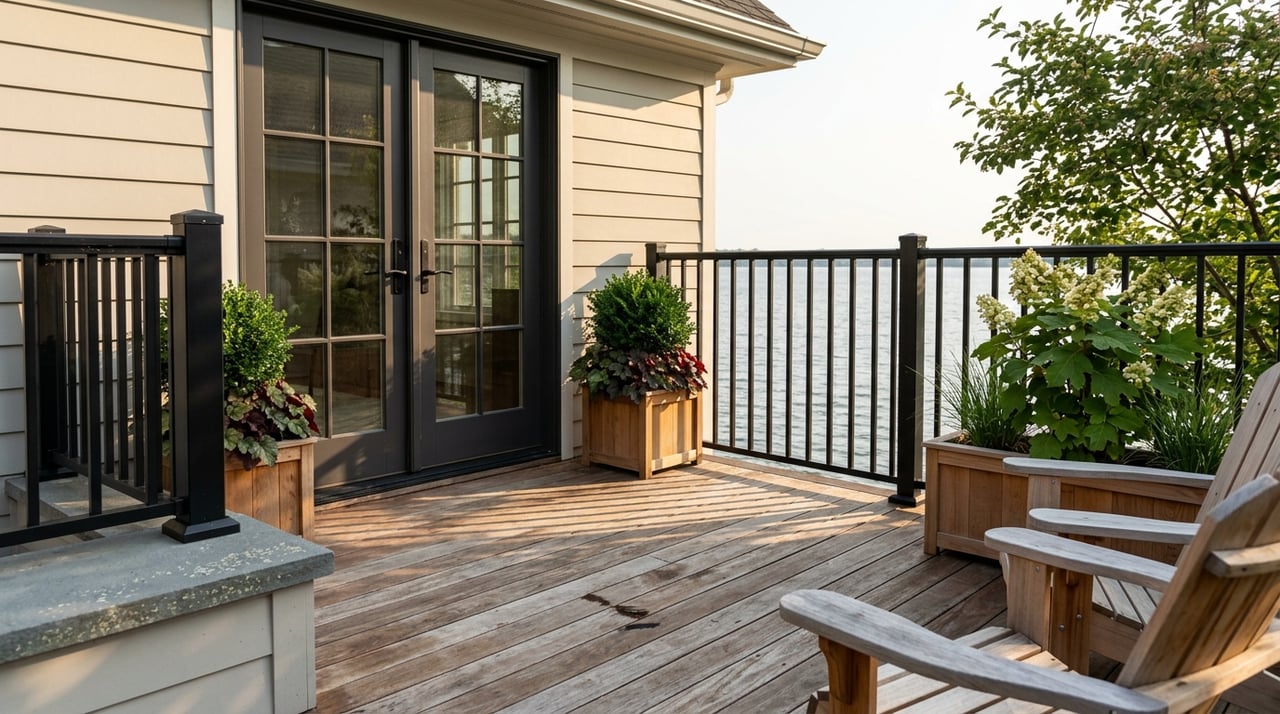
What does waterfront living really feel like when you want more than just a pretty view? In Piermont, it means daily access to the Hudson, a walkable village setting, and a lifestyle shaped by both natural beauty and practical shoreline awareness. If you are considering a move to this Rockland County rivertown, understanding how the waterfront works can help you decide whether it fits the way you want to live. Let’s dive in.
Piermont’s setting is a big part of its identity. The village sits where Sparkill Creek meets the Hudson River at a break in the Palisades, with marshland, hills, and river views shaping the landscape in every direction.
That geography gives Piermont a waterfront experience that feels scenic and connected to nature. At the same time, village planning materials make clear that waterfront living here also means paying attention to tidal conditions, flood exposure, and shoreline resiliency.
For many buyers, that balance is exactly what makes Piermont distinctive. You get the beauty and activity of a river village, but you also step into a place that is actively planning for how to care for and protect its shoreline.
One of Piermont’s biggest lifestyle draws is how easy it is to spend time outdoors. The village’s public waterfront spaces support walking, biking, jogging, fishing, and time on the water, which gives daily life here a very active rhythm.
Piermont Pier is the village’s signature waterfront feature. It extends about one mile into the Hudson and is open year-round for walking, biking, jogging, fishing, and driving with a permit.
For many residents, the pier is not just a scenic spot. It becomes part of a routine, whether that means an early morning walk, an after-dinner stroll, or a quiet place to take in river views through the seasons.
Just south of the pier, Piermont Marsh adds another layer to the setting. As part of the Hudson River National Estuarine Research Reserve, it stretches along about two miles of shoreline to the mouth of Sparkill Creek and reinforces the feeling that nature is always close by.
The waterfront lifestyle in Piermont is not limited to one path or one view. Tallman Mountain State Park offers wooded slopes above the Hudson and marsh, along with hiking, picnic areas, tennis, cross-country skiing, and birding.
The Erie Path adds another everyday option. Accessible from Ash Street, this scenic rail trail offers Hudson views and can be followed north toward Nyack or south toward Sparkill.
If you want a place where being outside feels built into the day, Piermont offers that in a very natural way. You can move between river, marsh, trail, and village streets without losing the small-town feel.
In some river towns, the waterfront is mostly something you look at. In Piermont, it is also something you can use.
The village notes that rental boats, canoes, and kayaks are available nearby. Public launch points listed by the local chamber include Sparkill Creek, Parelli Park, Cornetta’s Marina, and Paradise, which adds to the area’s boating and paddling appeal.
That matters if you are looking for a home that supports an outdoor, water-oriented lifestyle. Piermont offers more than views from the shore.
Waterfront living in Piermont also connects to the village’s social energy. Restaurants, eateries, shops, galleries, and community events all contribute to a setting that feels lively without losing its local character.
Recurring events listed by the village include Bastille Day, Art in the Park, the American Roots Outdoor Music Festival, the Gift of Art show and sale, and the Apple Festival. These kinds of events help reinforce the sense that the waterfront and downtown are part of one shared village experience.
It is also worth knowing that weekends can bring heavy visitor traffic for dining and strolling. For some buyers, that energy is a plus because it adds vibrancy. For others, it is a practical detail to keep in mind when thinking about parking, pace, and privacy.
Piermont is a small village, but it offers a few distinct residential patterns. Official village documents describe these areas through land use and zoning, which helps paint a more realistic picture than marketing labels alone.
The clearest waterfront-living pocket runs along the northern village boundary to Tappan Zee Marina. According to the village’s Local Waterfront Revitalization Program, this stretch is residential in character, with quarter-acre single-family zoning and features such as private moorings, piers, and decks.
If you are drawn to direct water access or a close-to-the-river feel, this is the area that most closely matches that vision. These homes can offer a more immediate relationship to the shoreline than properties farther inland.
The pier area itself has a more compact mixed-use feel. Village zoning language identifies an eastern residential section associated with Piermont Landing and a commercial shopping area at the bottom of the pier.
For buyers who like the idea of lower-maintenance living with close access to the waterfront and village activity, this part of Piermont may feel especially appealing. It offers a different experience from a detached riverfront home, with convenience and proximity playing a larger role.
Just west of the business district, older residential streets around Ash Street, Elm Street, and Tate Avenue reflect more of the traditional village-core character. Village materials describe this as an older residential area, while flatter streets between the waterfront and Franklin Street transition into lower-density hillside areas rising toward Route 9W and Tweed Boulevard.
In practical terms, that often means you can find a range of living styles within a small footprint. Some homes may offer a walk-to-town experience, while others may feel more private, elevated, or view-oriented.
Piermont tends to feel established rather than newly built. County and village planning materials indicate an owner-occupied profile with a meaningful renter presence, and older planning documents describe a large share of homes as built before 1939.
That can be appealing if you value architectural character and a sense of history. It also means buyers may encounter a mix of home styles, updates, lot conditions, and maintenance considerations.
For sellers, that variety can make positioning especially important. For buyers, it highlights why local guidance matters when comparing homes that may look similar online but live very differently in person.
A smart waterfront search in Piermont should include both lifestyle goals and practical questions. The village consistently emphasizes resiliency as a priority because of its Hudson frontage and tidal creek conditions.
Current waterfront work includes an updated Local Waterfront Revitalization Program, a Waterfront Resiliency Commission, FEMA BRIC planning support, and recent shoreline planting and living-shoreline efforts. That tells you the village is actively engaged in adapting to shoreline conditions rather than ignoring them.
If you are exploring homes near the water, it helps to think beyond views alone. You may want to understand how a property sits in relation to the shoreline, how the surrounding area is managed, and what day-to-day ownership could involve.
Piermont’s appeal is not only about leisure. The village says it is about 30 minutes north of New York City, with bus service from the city and a train connection across the river in Tarrytown, along with free parking in the village.
For many buyers, that adds useful flexibility. You can enjoy a smaller rivertown setting while still keeping access to the broader metro area within reach.
That balance often appeals to people who want a lifestyle change without feeling cut off. Piermont offers a setting that feels relaxed and local, yet still connected to everyday regional movement.
Piermont can be a strong fit if you are looking for a home that blends walkability, water access, and village character. It may especially appeal to buyers who value outdoor routines, river views, historic housing stock, and a social downtown scene.
It can also suit people who want a more intentional lifestyle. Instead of a purely suburban pattern centered around driving from place to place, Piermont offers a day-to-day experience that can include walking to the pier, spending time on the trail, or meeting friends in the village.
At the same time, the best match comes from seeing the full picture clearly. Waterfront living here is beautiful, active, and full of character, but it also comes with real environmental and property-specific considerations that deserve thoughtful attention.
If you are weighing whether Piermont is the right fit for your next move, a calm and informed local perspective can make the search much easier. For personalized guidance on buying or selling in Piermont and the Lower Hudson market, connect with Catherine Hotaling.
Stay up to date on the latest real estate trends.
A thoughtful, client-focused approach and strong understanding of market positioning shape every real estate experience. Drawing on a background in sales, marketing, and design-driven industries, Catherine helps buyers and sellers navigate important decisions with confidence, clarity, and personalized guidance.

CATHERINE HOTALING
ADDRESS 76 N Broadway Nyack, NY 10960