Living in Nyack NY: A Look at Homes, Lifestyle, and Commute
July 2, 2026
July 2, 2026
If you are looking for a Hudson River community with real personality, Nyack tends to stand out quickly. You may be drawn to its walkable downtown, historic homes, or riverfront setting, but it also helps to know how daily life actually feels once you live there. This guide will give you a clear, practical look at Nyack’s housing, lifestyle, recreation, and commute patterns so you can decide whether it fits the way you want to live. Let’s dive in.
Nyack is a compact village of less than a square mile, and that small footprint shapes everyday life. The village describes itself as a place where residents should be able to walk to the waterfront and the business district, which helps explain why so much of the community energy is centered downtown.
Instead of feeling spread out, Nyack feels connected. Its planning materials highlight historic neighborhoods, pedestrian-oriented streets, and a mix of homes, shops, and services that become denser closer to the waterfront. If you like the idea of errands, coffee, dinner, and a river walk all being part of the same outing, that village layout is a major draw.
One of the biggest reasons people are drawn to Nyack is its downtown rhythm. The village has a strong business district with active streets, metered parking, and a three-hour on-street limit in the downtown core, which tells you a lot about how central and well-used the area is.
That means daily life here often includes walking, planning around parking, and spending time in the center of town. Metered parking runs Monday through Saturday from 10 a.m. to 7 p.m., while Sundays are free. For many residents, that tradeoff is worth it because the payoff is a lively, accessible downtown rather than a car-dependent layout.
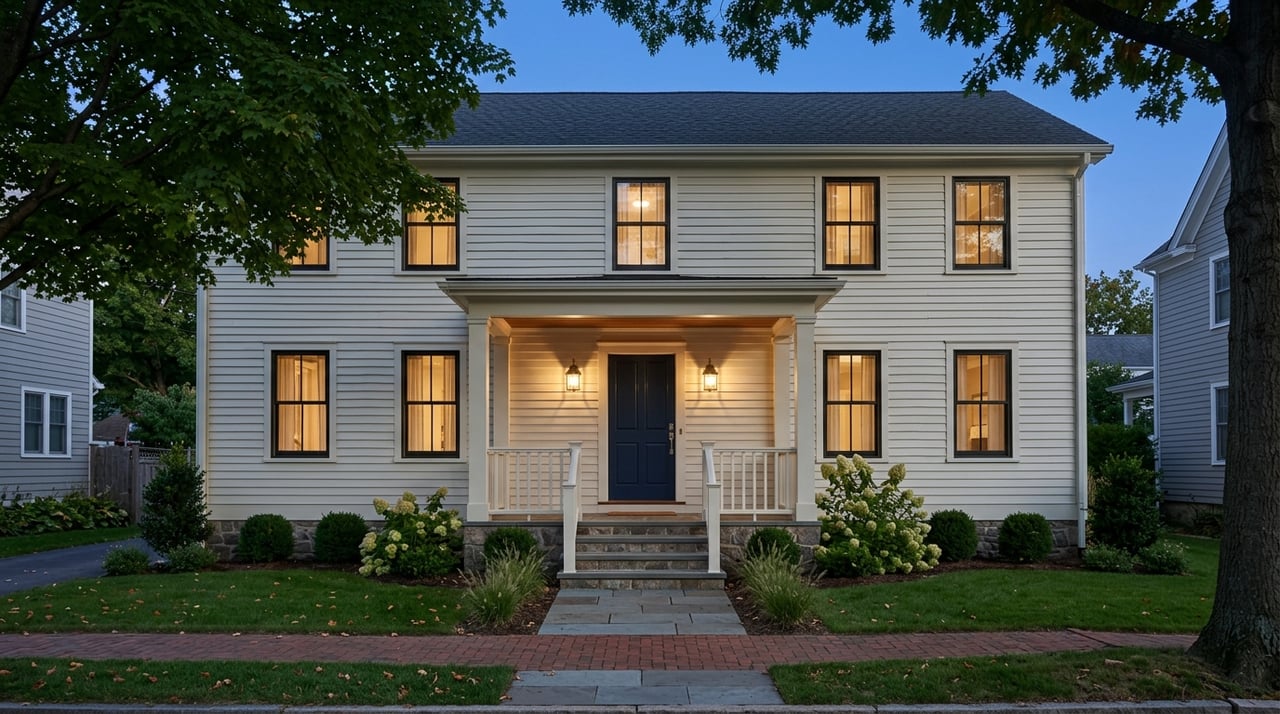
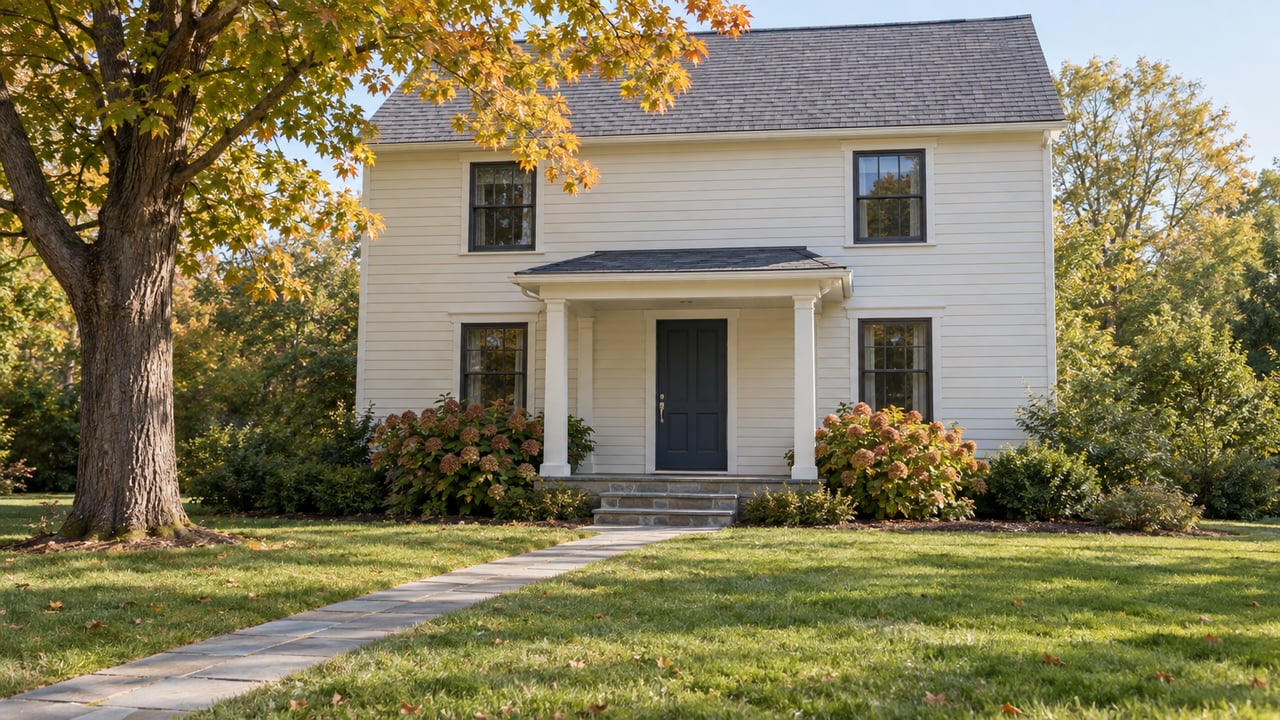
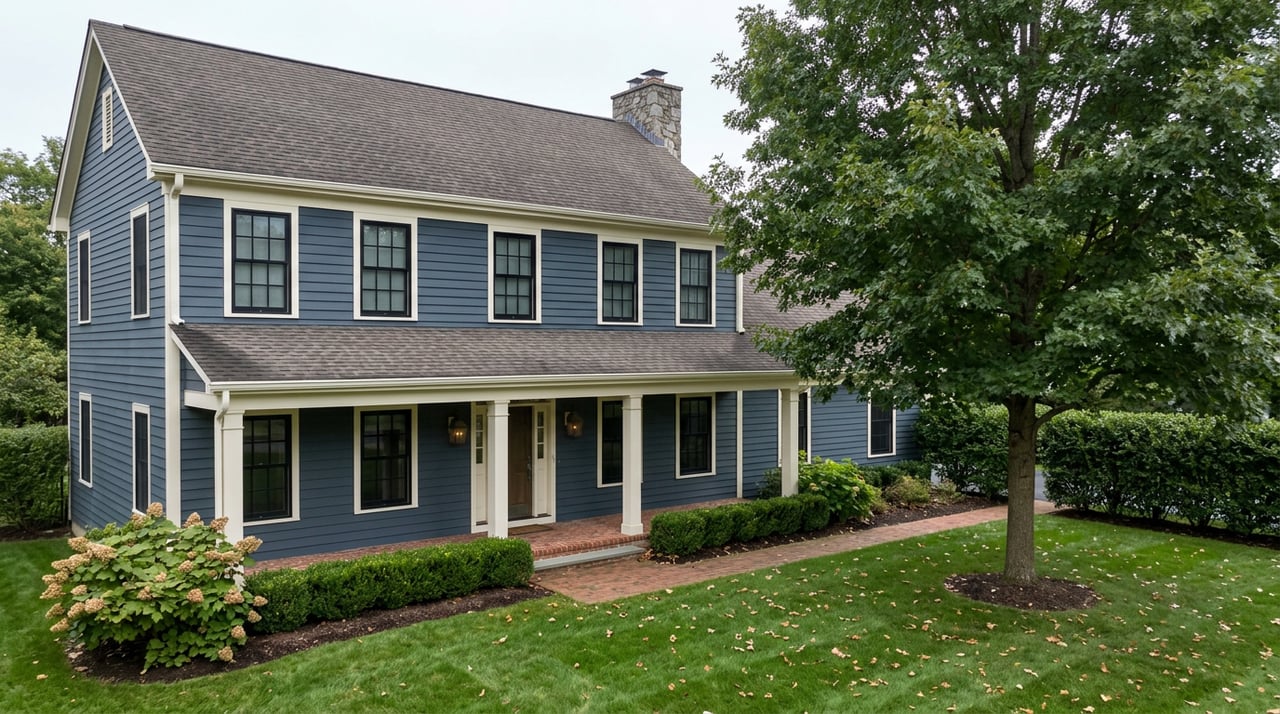
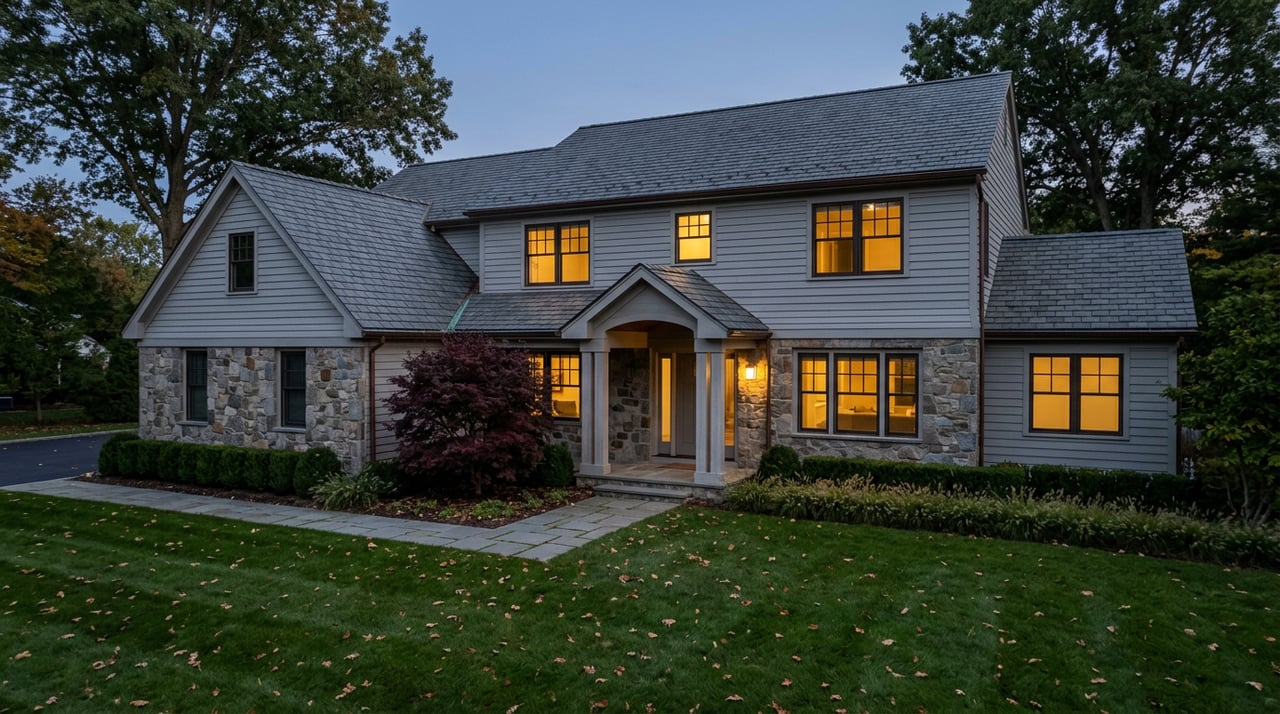
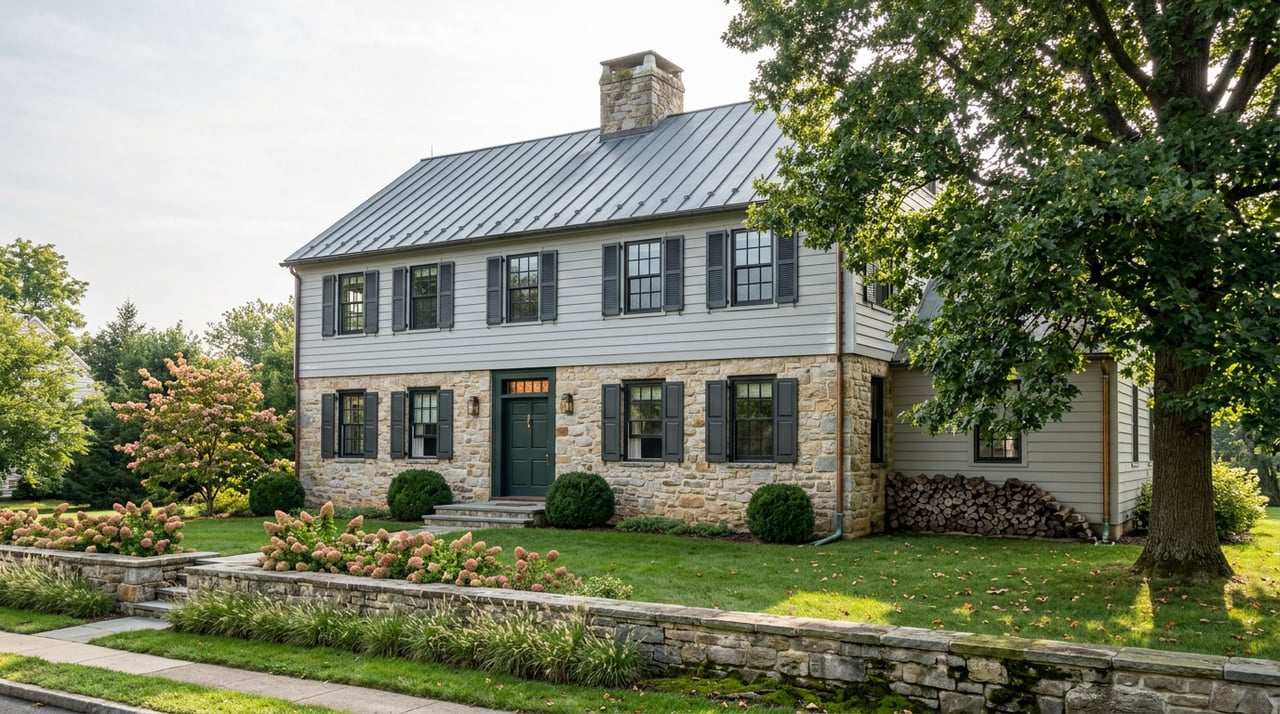
Nyack’s housing stock is varied, which is part of its appeal. Rather than seeing the same home style repeated block after block, you are more likely to find a mix of Dutch Colonial and Victorian homes, 19th-century downtown buildings, and some mid-20th-century multifamily properties.
Village and state planning documents also point to a continued focus on protecting historic neighborhoods while supporting diverse housing options. That creates a housing landscape with more visual variety and more choices than you might expect in a village this size.
If you picture Nyack as only older detached homes, the full picture is broader than that. The Village of Nyack Housing Authority identifies public and subsidized affordable housing options in the village, including Waldron Terrace, Depew Manor, Nyack Plaza, Nyack Point, Leonard Cooke Pine Street Homes, Rockland Gardens, and Tallman Towers.
For buyers, sellers, and renters, that means Nyack includes a meaningful apartment and multifamily presence alongside its historic residential streets. Depending on your goals, you may find options that fit first-time buying, downsizing, rental living, or a preference for lower-maintenance housing.
Nyack continues to be a higher-priced and competitive village market within the Hudson Valley. For the three months ending in May 2026, Redfin reported a median sale price of $635,000, up 34.0% year over year.
Zillow’s Home Value Index placed the average home value at $767,214 as of May 31, 2026, up 5.8% from the prior year. Zillow also reported 47 homes for sale and an average rent of $2,769. These numbers measure different things, so they are not interchangeable, but together they suggest steady demand and meaningful interest in the village.
Nyack offers a notably dense dining scene for a village of its size. Local visitor materials describe everything from outdoor cafes and casual pubs to family-friendly eateries, international cuisine, and restaurants that emphasize locally sourced ingredients.
That adds a lot to everyday life. You are not just choosing a place to sleep at night. You are choosing a place where meeting friends for dinner, grabbing coffee, or trying a new local spot can become part of your weekly routine.
The Nyack Farmers Market is another anchor of village life. It takes place every Thursday from 8 a.m. to 2 p.m. on Main Street and features produce, seafood, grass-fed meat and poultry, baked goods, and artisanal products.
Small details like this matter when you are deciding where to live. A recurring market gives the week a rhythm and gives residents a consistent reason to spend time downtown. It is one more example of how Nyack blends convenience with community activity.
In Nyack, arts and culture are not separate from daily life. The village highlights the Edward Hopper House, Elmwood Playhouse, and year-round art and music events as important parts of its identity.
That means cultural options are woven into the village experience. You may spend one weekend at a theater performance, another at an exhibition, and another at an event on Main Street. For people who want more than a residential address, this can be a meaningful part of Nyack’s appeal.
Nyack also hosts multiple street fairs each year on Main Street and Broadway. According to the village, these events feature artists, artisans, food, and live music, all tied directly to the downtown shopping corridor.
The village also published a winter events guide in January 2026 with more than 50 events, including farmers market dates, book readings, and poetry open mics. That active calendar supports the idea that Nyack is not just scenic. It is also socially and culturally engaged throughout the year.
The Hudson River is one of Nyack’s biggest lifestyle advantages. Memorial Park serves as the village’s primary public access point to the river, and the village also notes that the marina is a public facility on the western shore.
Memorial Park includes baseball and basketball courts, a playground, a skateboard park, and a splash pad. It also hosts recurring events such as the Great Nyack Get Together and the Mostly Music Summer Program. If being near the water is important to you, Nyack offers ways to enjoy that setting regularly, not just occasionally.
Just north of the village, Nyack Beach State Park adds another layer to local recreation. New York State Parks says the park has 61 acres of Hudson River frontage and supports biking, hiking, fishing, boating launches, and winter cross-country skiing on its trails.
That combination is relatively rare. You can have a compact downtown lifestyle and still be close to substantial outdoor space. For many buyers, that balance between activity and atmosphere is exactly what makes Nyack feel different.
Nyack is not centered around an in-village train station, so commute planning looks a little different here than in some rail-based suburbs. The village says several mass transit options serve the area, while Rockland County notes that Hudson Link provides frequent service between Rockland and Westchester with connections to the Tarrytown and White Plains Metro-North stations.
The county’s local transit system also connects with Hudson Link, Rockland Coaches, NJ Transit trains, and other regional services. Coach USA’s Rockland Coaches service includes routes from Nyack and nearby river towns to Midtown’s Port Authority Bus Terminal and the George Washington Bridge Bus Station. In practical terms, many residents rely on bus service and rail connections rather than direct village rail access.
Nyack tends to appeal to people who want a walkable village setting, character-rich housing, river access, and a downtown with real energy. It can be a strong fit if you value architecture, local restaurants, arts programming, and an active community calendar.
It may be especially appealing if you are comfortable with a bus-oriented commute and the realities of downtown parking management. In return, you get a lifestyle that feels connected, distinctive, and rooted in place.
If you are considering a move to Nyack, having local guidance can make it easier to compare blocks, housing types, and daily routines in a way that feels grounded and clear. If you want a thoughtful, personalized look at homes and lifestyle in Nyack or the surrounding Lower Hudson communities, Catherine Hotaling is here to help.
Stay up to date on the latest real estate trends.
A thoughtful, client-focused approach and strong understanding of market positioning shape every real estate experience. Drawing on a background in sales, marketing, and design-driven industries, Catherine helps buyers and sellers navigate important decisions with confidence, clarity, and personalized guidance.
CATHERINE HOTALING
ADDRESS 76 N Broadway Nyack, NY 10960